

Introduction and specs
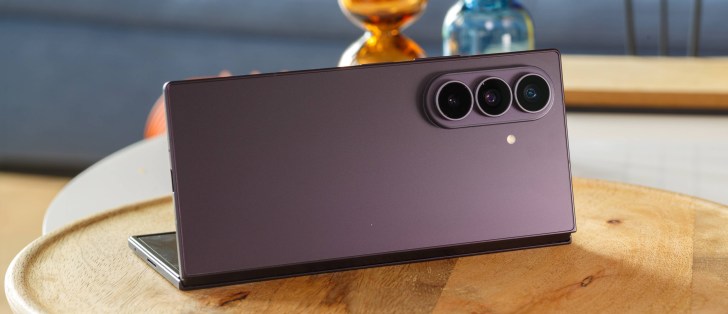
The Samsung Galaxy Z Fold just went Ultra. With the new addition of the wider and shorter Galaxy Z Fold8 this year, the Z Fold7’s successor takes on the Ultra role in the lineup. But is the upgrade limited to the name alone?
The Galaxy Z Fold7 was the first foldable from Samsung that brought significant hardware upgrades in a while, and while the Galaxy Z Fold8 Ultra doesn’t bring nearly as dramatic changes on the outside it still adds a bunch of new stuff inside.
Starting with the expected chip upgrade to Snapdragon 8 Elite Gen 5 (for Galaxy), the new Fold8 Ultra also gains an improved display tech with a less noticeable crease, higher resolution and anti-reflective coating and a better ultrawide camera that brings it closer to the Galaxy S26 Ultra’s camera setup. There is also a significantly bigger battery as well as faster wired and wireless charging.
Additionally, Samsung used tougher materials for the frame, without increasing the weight or size of the handset, so it remains just as thin and lightweight as its predecessor.
Samsung Galaxy Z Fold8 Ultra specs at a glance:
- Body: 158.4×143.2×4.1mm, 215g; Glass front (Gorilla Glass Victus Ceramic 3) (folded), plastic front (unfolded), glass back (Gorilla Glass Victus 2), aluminum frame; IP48 dust and water resistant (dust > 1mm; immersible up to 1.5m for 30 min), Advanced Armor aluminum frame.
- Display: 8.00″ Foldable Dynamic LTPO AMOLED 2X, 120Hz, HDR10+, 3000 nits (peak), 2256x2504px resolution, 9.99:9 aspect ratio, 422ppi; Flex Titanium technology, Cover display:, Dynamic LTPO AMOLED 2X, 120Hz, Corning Gorilla Glass Ceramic 3, 6.5 inches, 1080 x 2520 pixels, 422 ppi.
- Chipset: Qualcomm SM8850-1-AD Snapdragon 8 Elite Gen 5 (3 nm).
- Memory: 256GB 12GB RAM, 512GB 12GB RAM, 512GB 16GB RAM, 1TB 16GB RAM; UFS 4.x.
- OS/Software: Android 17, up to 7 major Android upgrades, One UI 9.
- Rear camera: Wide (main): 200 MP, f/1.7, 24mm, 1/1.3″, 0.6µm, multi-directional PDAF, OIS; Telephoto: 10 MP, f/2.4, 67mm, 1/3.94″, 1.0µm, PDAF, OIS, 3x optical zoom; Ultra wide angle: 50 MP, f/1.9, 120˚, 1/2.5″, 0.7µm, multi-directional PDAF.
- Front camera: Wide (main screen): 10 MP, f/2.2, 18mm, 1/3.52″, 1.12µm; Wide (cover screen): 10 MP, f/2.2, 18mm, 1/3.52″, 1.12µm.
- Video capture: Rear camera: 8K@30fps, 4K@30/60/120fps, 1080p@30/60/120/240fps, 10-bit HDR, HDR10+, gyro-EIS, OIS; Front camera: 4K@30/60fps, 1080p@30/60fps, gyro-EIS.
- Battery: 5000mAh; 45W wired, PD3.0, QC2.0, 67% in 30 min, 20W wireless (Qi2.2), 4.5W reverse wireless.
- Connectivity: 5G; eSIM; Wi-Fi 7; BT 6.0, aptX HD; NFC.
- Misc: Fingerprint reader (side-mounted); stereo speakers; Samsung DeX (desktop experience support), Ultra Wideband (UWB) support.
We are pretty sure the battery and the charging will make a big impact on user experience. The older Folds were stuck at 25W wired charging for far too long, so upping the charging power to 45W is more than welcome. The increase in battery capacity by about 14% (from 4,400 to 5,000 mAh) should put the Z Fold8 Ultra back in the race when it comes to foldables’ battery life, too. And Samsung finally embraces the silicon-carbon battery packs, enabling it to improve density and thus save weight.
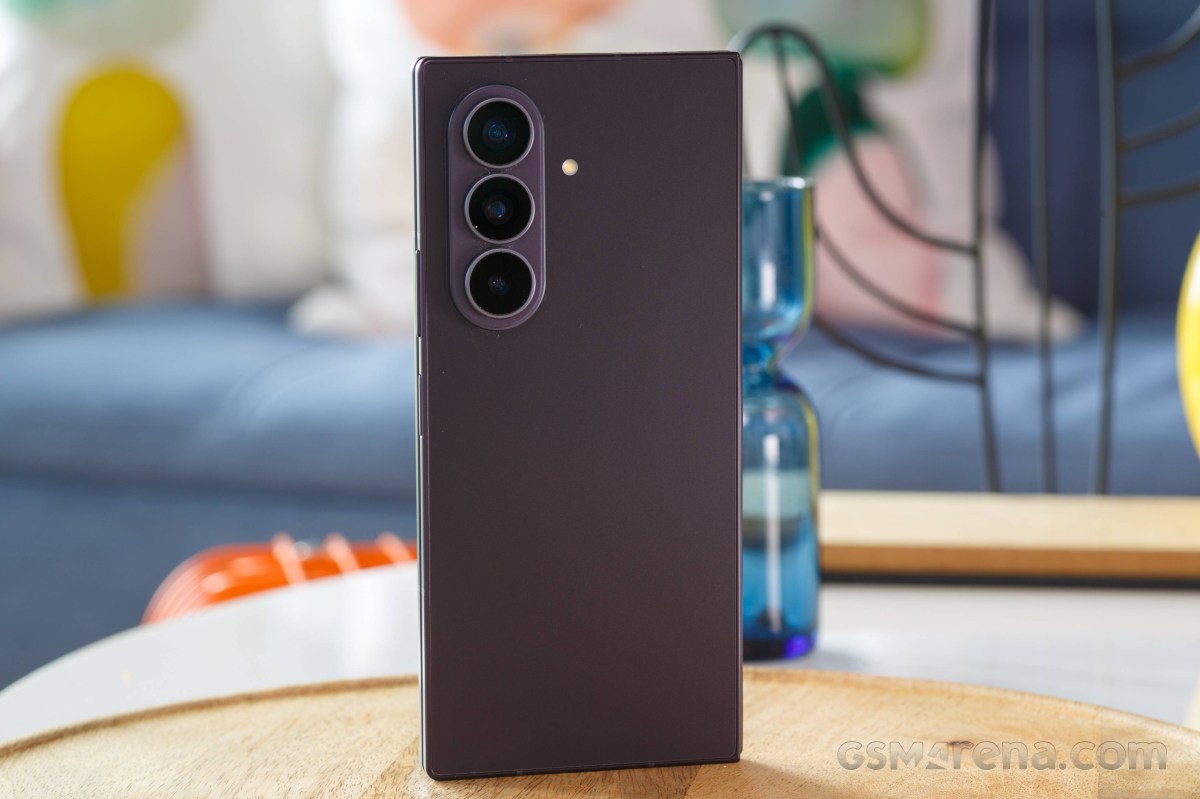
Some software improvements are also in place – the Galaxy Z Fold8 Ultra brings some cool new Gemini AI smarts and launches with the latest Android 17 with One UI 9 on top. Yes, that means the Galaxy Z Fold8 and Z Flip8 lineups are the first handsets running Google’s latest Android 17 out of the box.
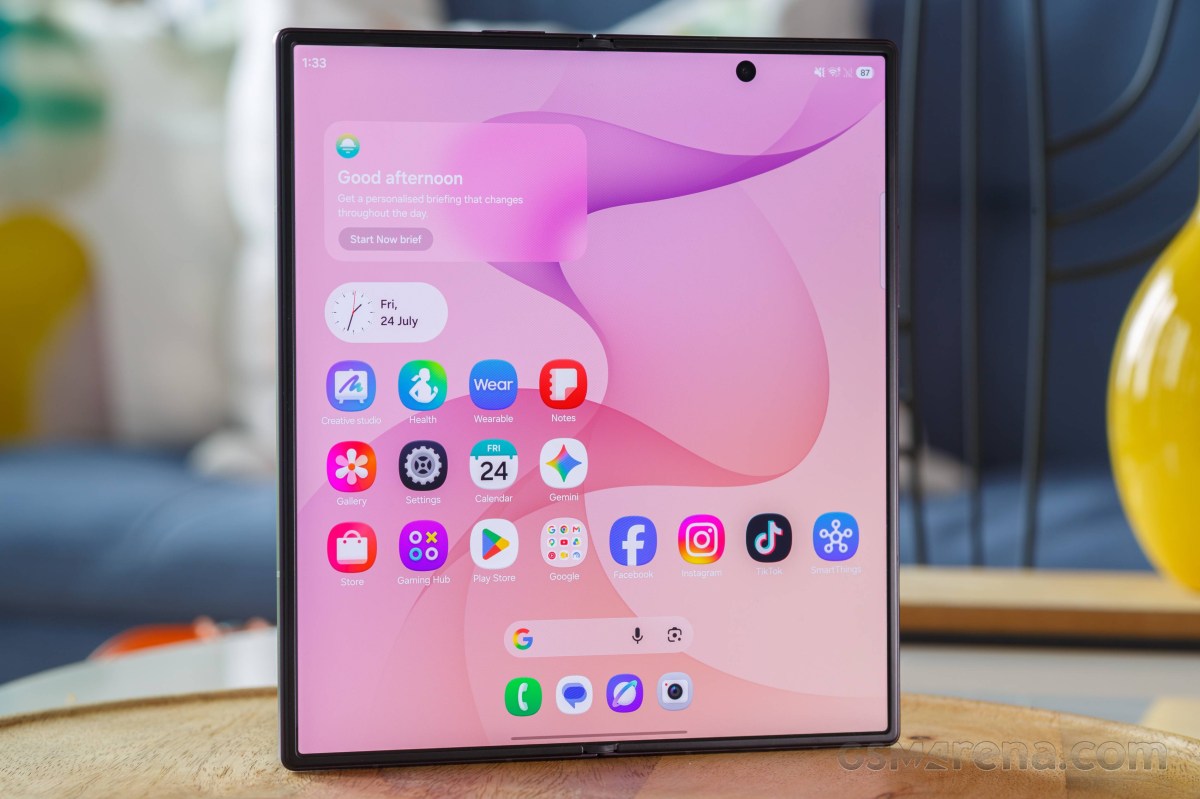
Without further ado, let’s see if Samsung still has what it takes to keep up with the growing foldable market.
Unboxing the Samsung Galaxy Z Fold8 Ultra
The Galaxy Z Fold8 Ultra’s retail package is business as usual – nothing interesting besides the quick start guides and a USB-C to USB-C cable used for charging and data transfer.
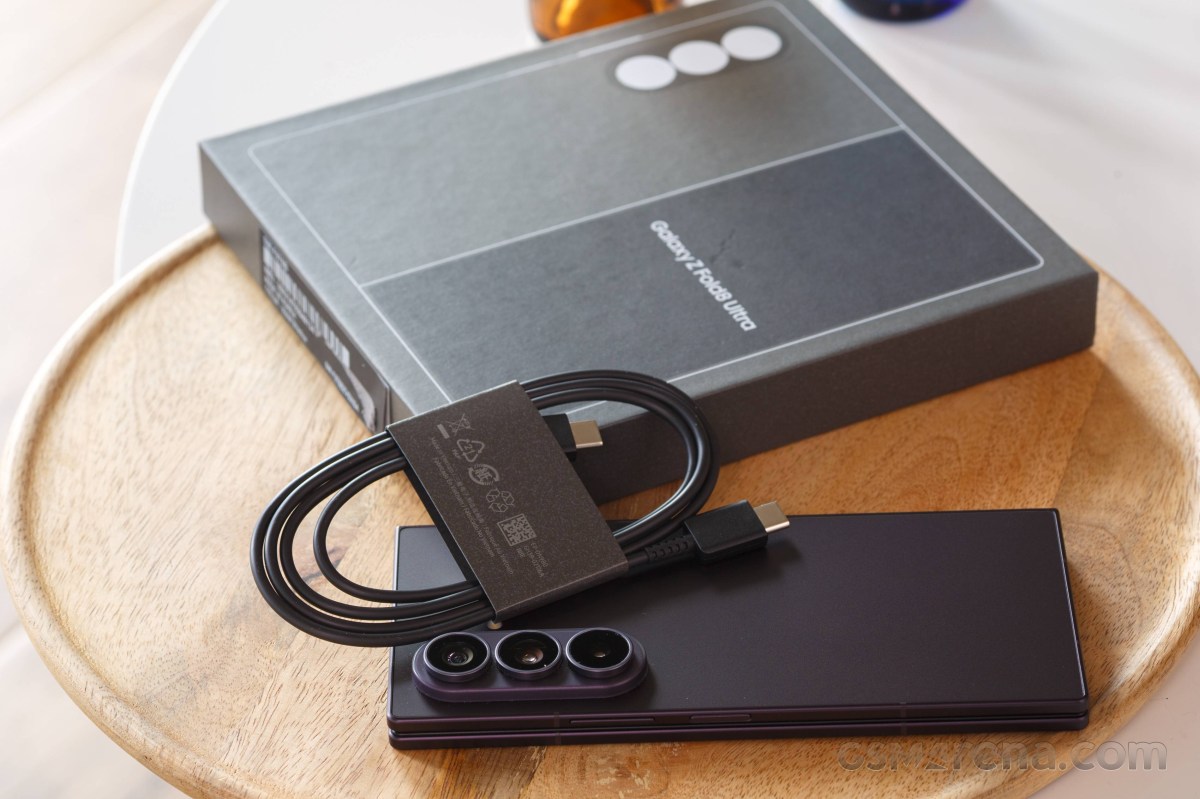
If you are looking to get the fastest possible charging times, consider buying the 45W Samsung charger or a compatible third-party one with the appropriate PPS profile, as the charger isn’t included.