


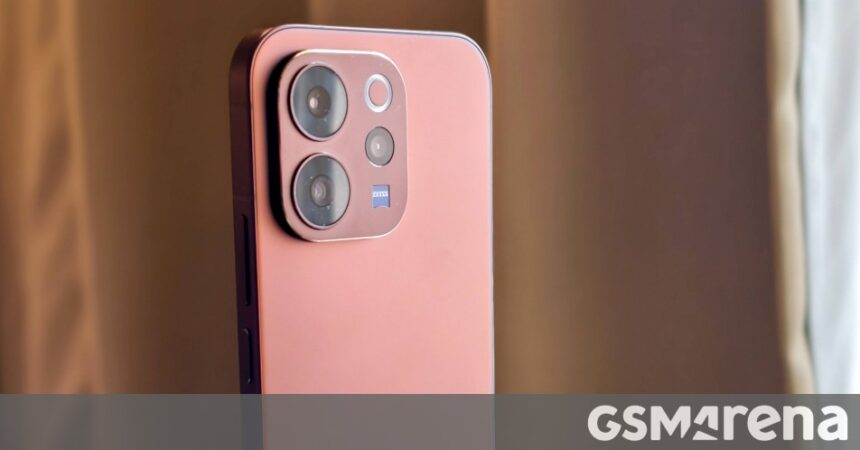
vivo introduced the V70 series today at an event in New Delhi, India. The lineup includes two smartphones – V70 and V70 Elite. While the vivo V70 succeeds last year’s V60, the V70 Elite is the first “Elite” model in the V Series. Whether or not Elite is the new Pro is something vivo hasn’t confirmed yet. However, we did get to spend some time with the vivo V70 Elite, and here are our first impressions of the phone.
The vivo V70 Elite arrives in a retail box similar to the V60’s. It includes a charging cable, a SIM ejector, a 90W power adapter, some documents, and a protective case. However, the protective case is transparent and doesn’t match the phone’s color, unlike the cases bundled with some V60 models.
That said, the vivo V70 Elite features a 6.59″ AMOLED display on the front, which is protected by Schott Xensation Core glass and is surrounded by slim bezels. It’s a 120Hz panel with a 2,750×1,260-pixel resolution, 459 ppi pixel density, 5,000 nits local peak brightness, and the capability to display 1.07 billion colors.
The panel supports 60Hz, 90Hz, and 120Hz refresh rates, and offers three refresh rate options in the Settings menu: Standard, Smart adaptation, and High. Standard mode refreshes the panel up to 60Hz, while High mode refreshes the screen at up to 120Hz. Smart adaptation chooses the best refresh rate for “smoother display and longer battery life.”
When you select High mode, you get the “Apps running at a high refresh rate” option, which lets you enable a 120Hz refresh rate on a per-app/game basis. It’s also worth noting that the display supports HDR10, HDR10+, and HLG codecs, and has Widevine L1 certification, enabling 1080p video streaming in supported apps.
The vivo V70 Elite’s display has a centered punch-hole at the top for the selfie camera. It’s a 50MP “ZEISS Group Selfie Camera” with an f/2.0 aperture, 92° FOV, auto-focus, and 0.8x–2x magnification. The front camera is also capable of recording 4K videos at 60 FPS, but vivo hasn’t revealed what sensor the camera uses.
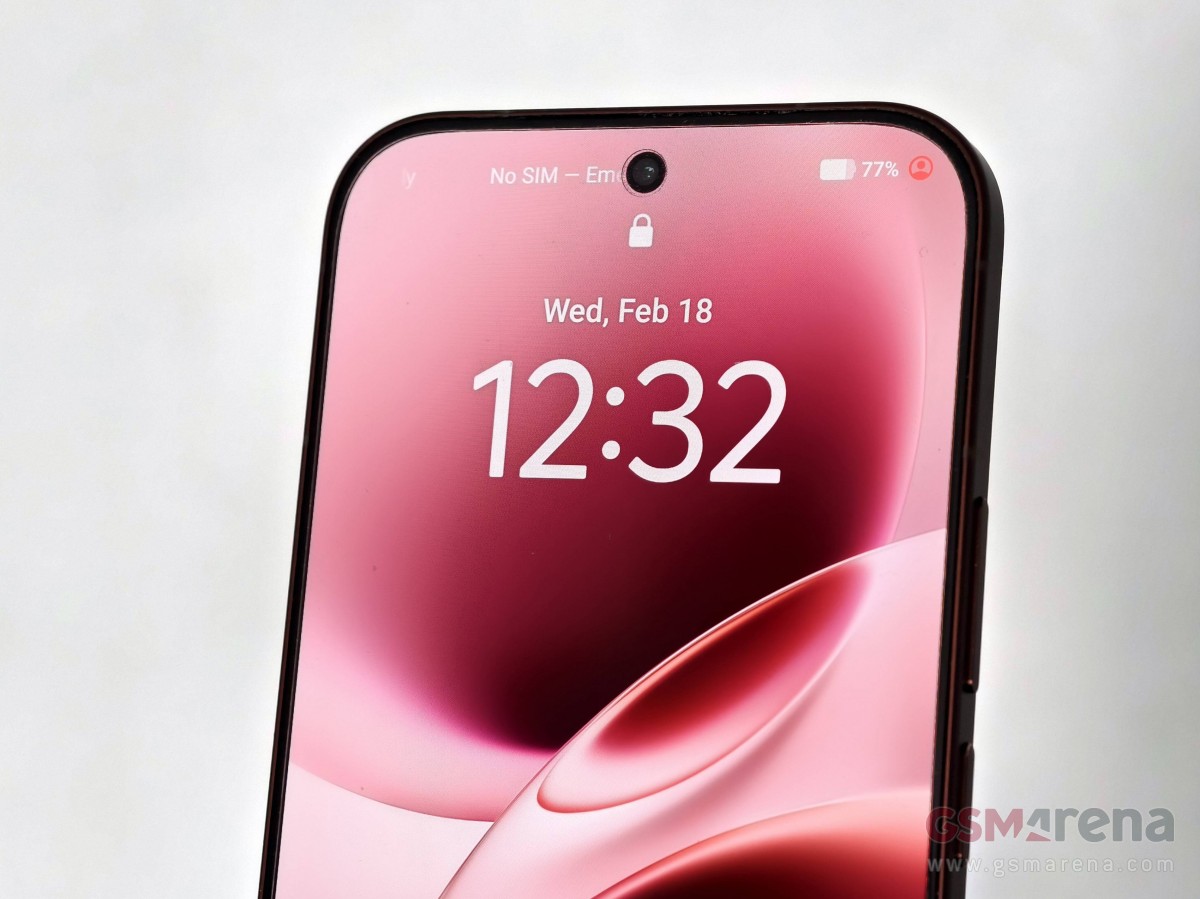
Additionally, the V70 Elite’s display features an embedded 3D ultrasonic fingerprint scanner for biometric authentication, making it the first V Series smartphone to feature an ultrasonic fingerprint reader. It supports swipe-based fingerprint enrollment and can unlock the smartphone even with wet fingers. We found this fingerprint scanner to be fast and accurate, and we like that it’s not too close to the bezel, which results in a comfortable phone-unlocking experience.
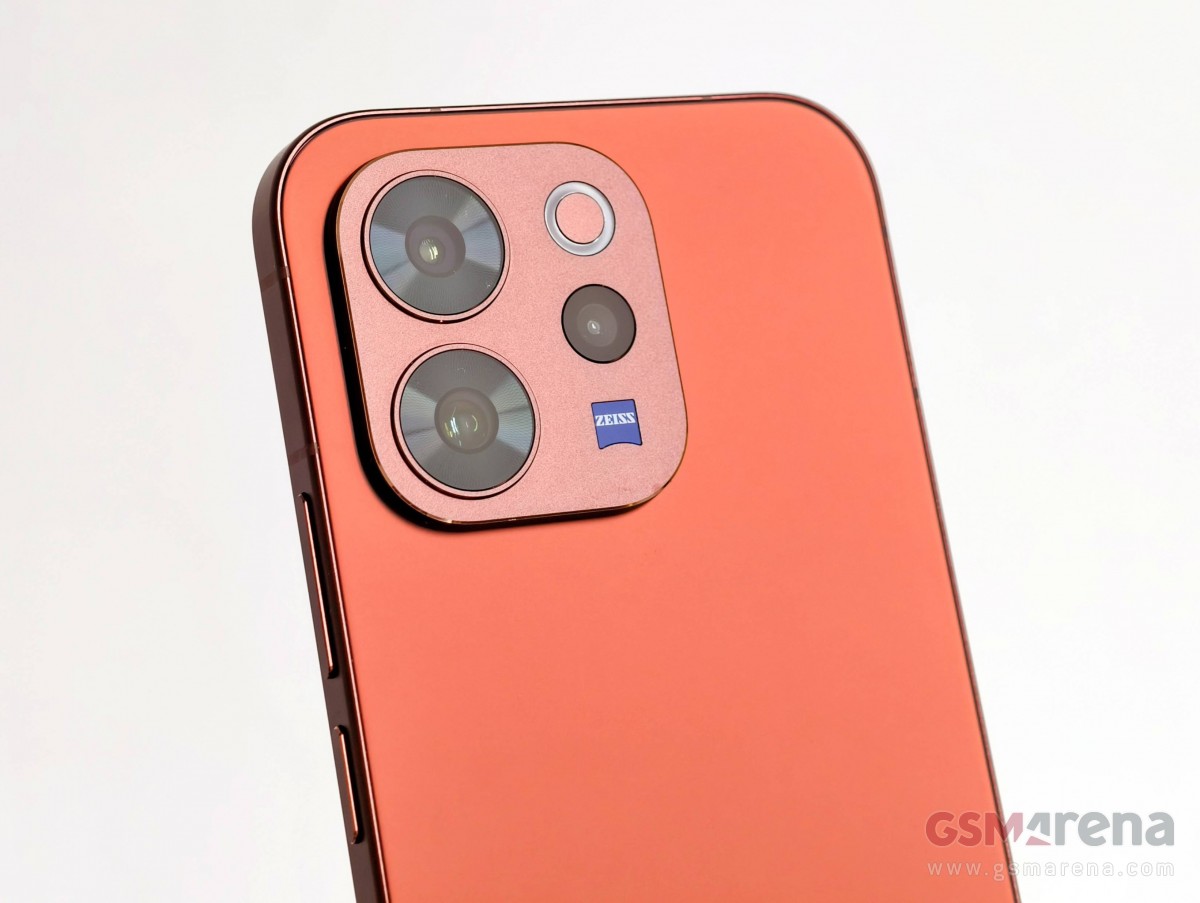
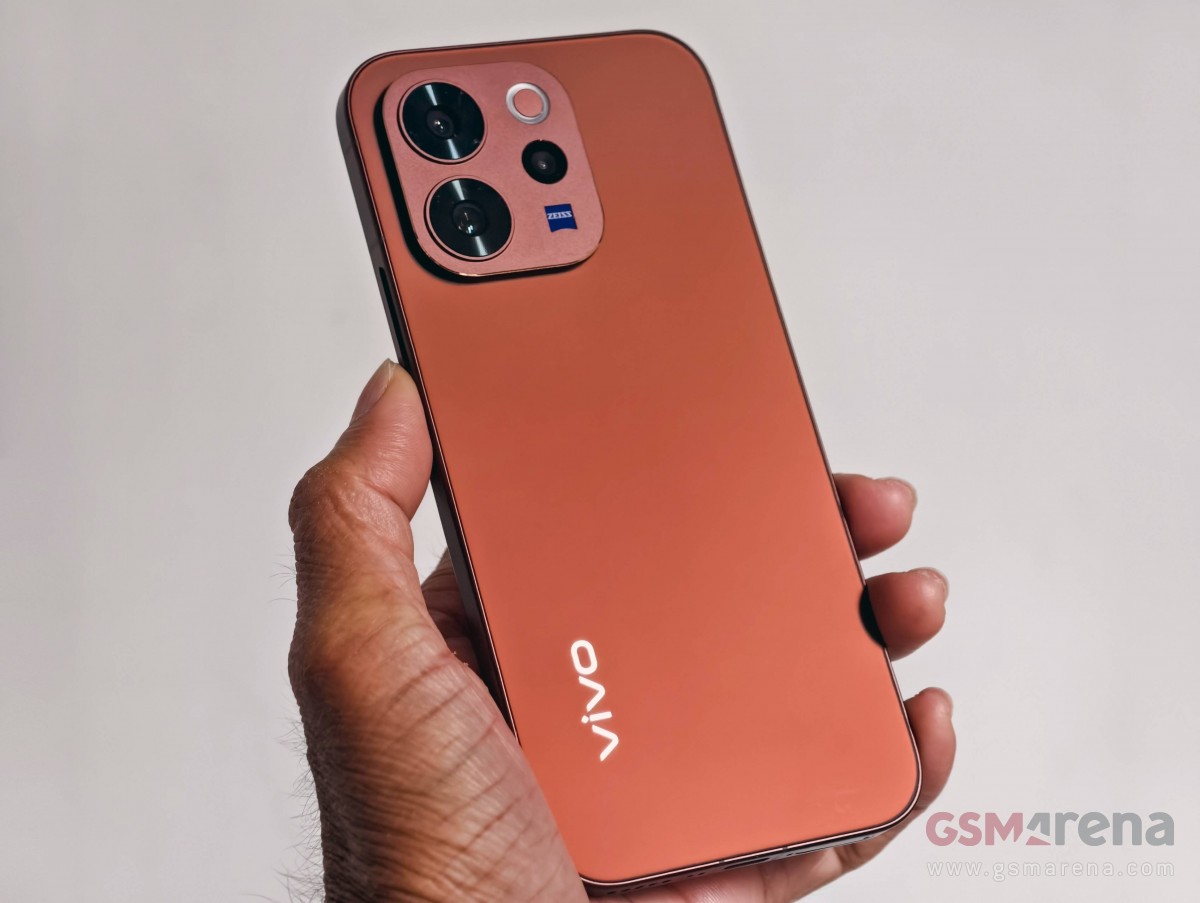
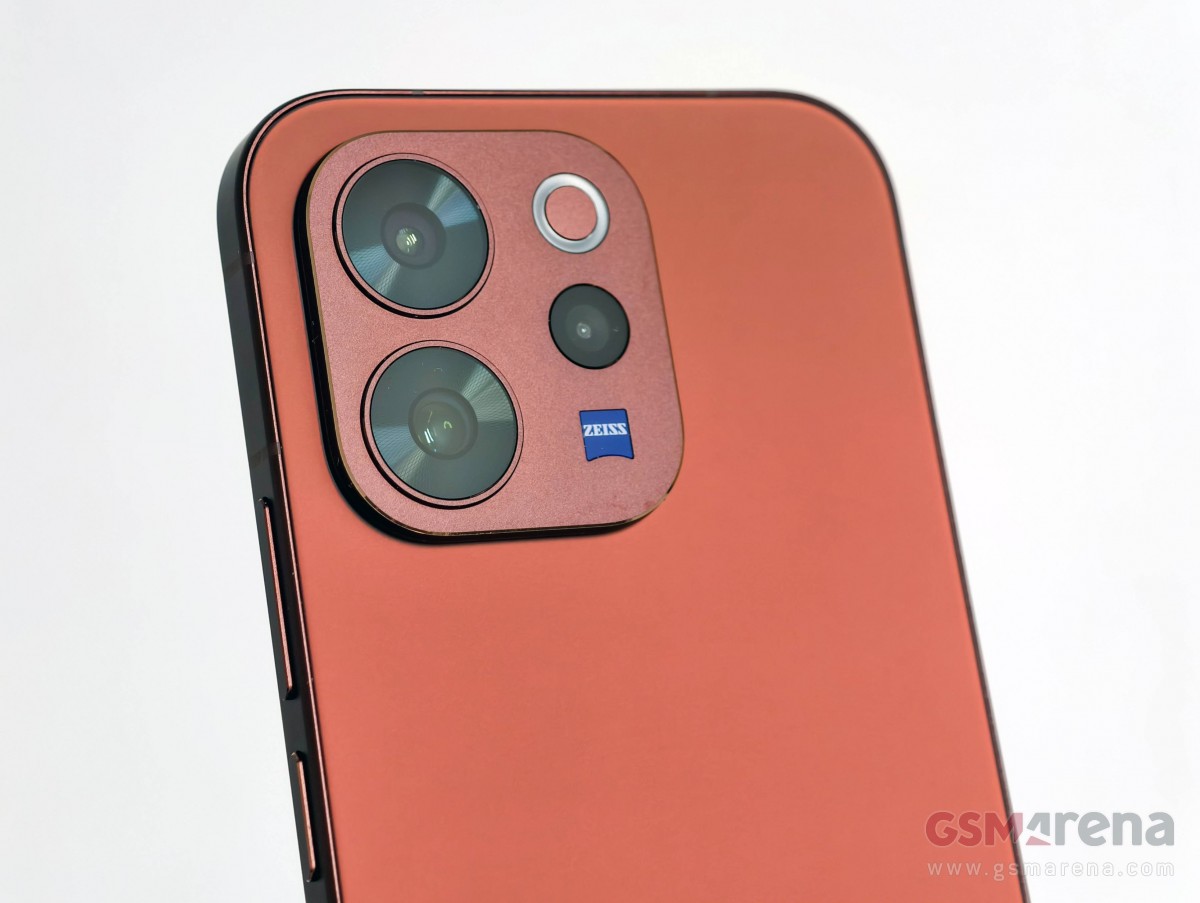
On the other side of the vivo V70 Elite is a squircle-shaped camera island, featuring a circular flash called Aura Light, three cameras, and a ZEISS logo, because all rear cameras are co-developed with ZEISS.
The vivo V70 Elite’s 50MP primary camera (23mm) uses the Sony LYT-700V 1/1.56″ sensor, having an f/1.88 aperture, 84° FOV, and OIS. The V70 Elite’s 50MP telephoto camera (73mm) also uses a Sony sensor, but it’s the IMX882 1/1.95″ sensor, sitting behind a lens with an f/2.65 aperture, OIS, and 3x optical zoom.
The V70 Elite’s ultrawide camera (15mm) has a measly 8MP resolution, and while vivo hasn’t revealed the sensor it’s using, we know the ultrawide unit has an f/2.2 aperture and a 115 ° FOV. It’s also the only camera on the V70 Elite that doesn’t have auto-focus.
The V70 Elite can record 4K@60FPS videos at 1x, 2x, and 3x magnifications, with Portrait Mode supporting five focal lengths: 23mm, 35mm, 50mm, 85mm, and 100mm. The smartphone comes with a bunch of AI-powered photography features, including the India-exclusive AI Holi Portrait, which will be available to users only till March 15, 2026.
Additionally, the V70 Elite features AI Audio Noise Eraser, which lets you remove voices, music, wind sound, and other unwanted noise from your video recordings. It didn’t work on our unit, so it’s unclear how effective it is.
vivo says the camera module housing these snappers is “engineered with a sleek metal.” Well, it is sleek, but it still makes the phone wobble when used on a flat surface.
That said, the vivo V70 Elite’s camera module, like the rest of the phone’s back panel, has a matte finish that resists fingerprint smudges. Our Passion Red model’s back panel is made of an unspecified glass, as in the Sand Biege model, while the Authentic Black version features a glass-fiber cover. The Authentic Black model weighs 187 g, making it 7 g lighter than the other two versions. Not just that, the V70 Elite Authentic Black is also slimmer than the Passion Red and Sand Beige models: 7.4 mm vs. 7.59 mm.
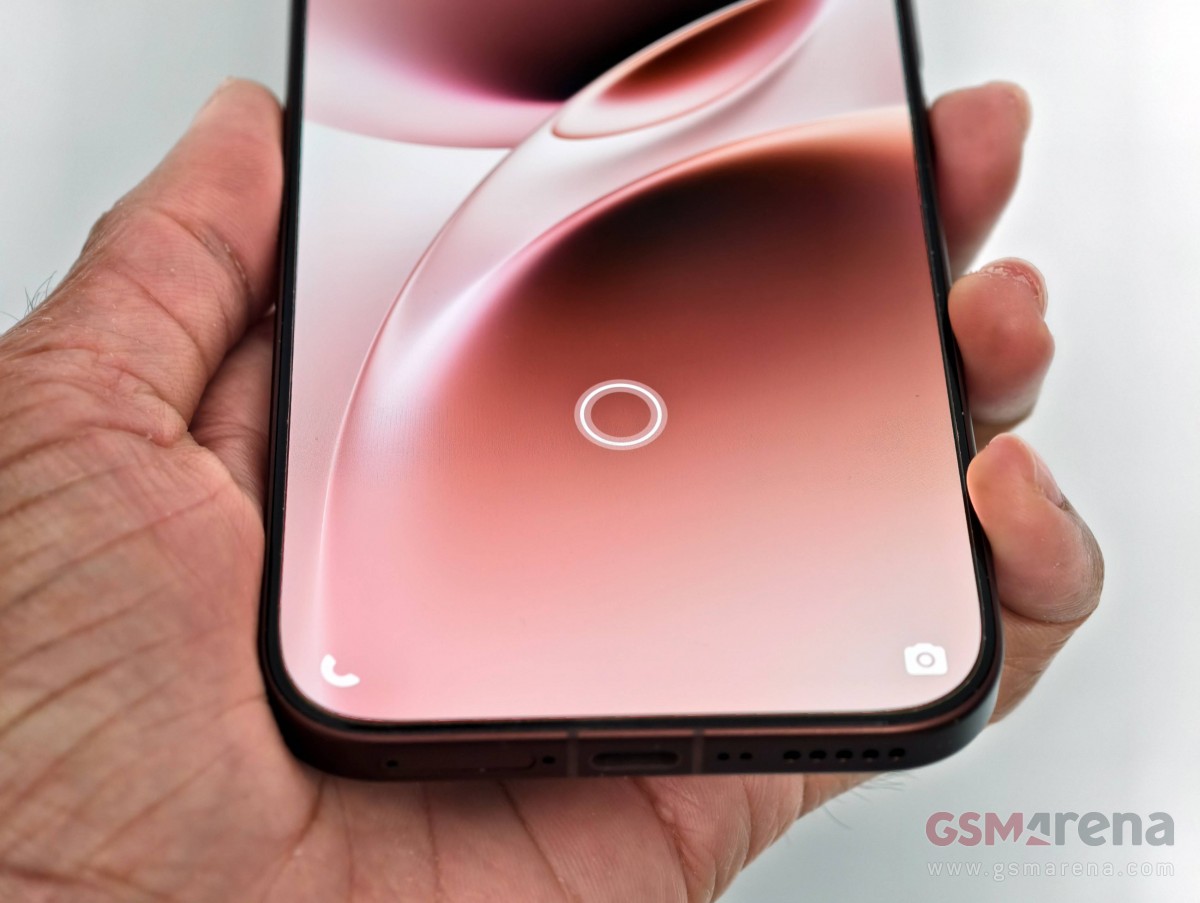
The V70 Elite’s flat “aerospace-grade” aluminum frame also has a matte finish. On the right side of the frame are the volume rocker and power button, both with good feedback. At the bottom is the USB-C port, flanked by a SIM card slot, a microphone, and a speaker grille. Up top is the IR blaster, joined by another speaker outlet and a microphone.
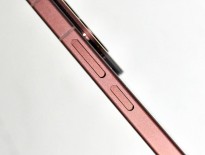
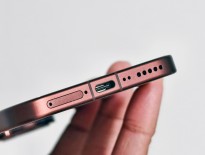
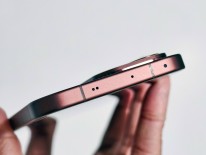
Ports and controls
We like the vivo V70 Elite’s overall design and build. It is sleek, compact, and easy to use with one hand, making it the most comfortable to hold V Series smartphone we’ve used yet.
The vivo V70 Elite has the Snapdragon 8s Gen 3 SoC at the helm with up to 12GB of LPDDR5X RAM and 512GB of UFS 4.1 storage. vivo was criticized for launching the V60 with UFS 2.2 storage, so it’s good to see the brand offering something better with the V70 Elite.
On the software side, you get the V70 Elite with Android 16-based OriginOS 6. vivo has promised up to four OS version upgrades and six years of security updates, which will be released quarterly.
Fueling the vivo V70 Elite is a 6,500 mAh battery with 90W charging. It also supports multi-scenario bypass charging. Other features of the vivo V70 Elite include IP68 and IP69 ratings, underwater photography, 4D Gaming Vibration, X-Axis linear motor, and NFC.