


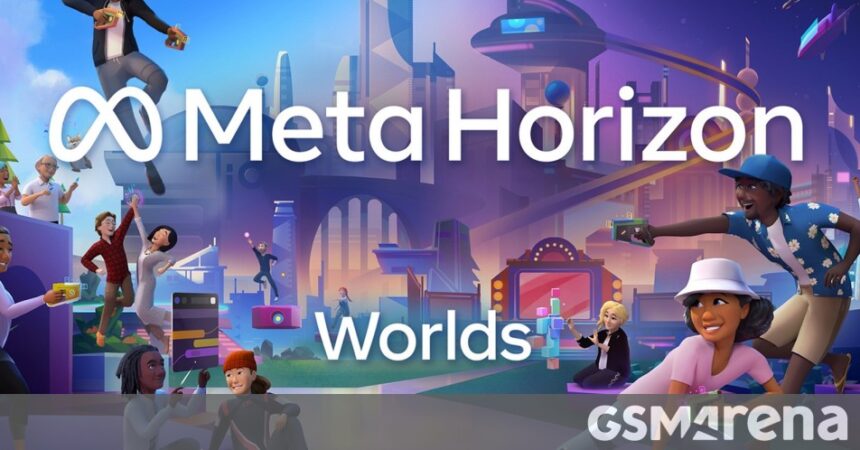
Remember when Facebook rebranded to Meta back in 2021? That move was very much related to an internal company belief in the future of VR tech. As part of that, Meta envisioned Horizon Worlds as the main way people would be communicating in the future. At this point in time, it seems pretty clear that the VR fad is over or close to it.
According to a recent interview with Meta’s VP of Content at Reality Labs, Samantha Ryan, a mobile-first strategy is now at the forefront, with Horizon Worlds shifting gears to be “almost exclusively mobile.”
As part of the change, Meta is splitting Horizon Worlds and the Quest VR platform into two separate products. On the Quest or VR side of things, the focus will be more on third-party developers and content rather than first-party worlds. In fact, individual Horizon Worlds destinations are being pulled from the VR store and the Worlds section is disappearing from the Quest home screen.
On the Horizon side of things, the focus is almost entirely shifting to mobile. Apparently, in 2025, the mobile-only worlds grew from zero to 2,000, and the number of monthly users increased more than four times. As part of the shift, Meta is introducing and expanding the availability of new tools like the Meta Horizon Studio and the Meta Horizon Engine for better and more engaging mobile worlds. There are, of course, new monetization tools as well, like featured bundles and season passes.
Will Meta be able to keep up with titans in the space like Roblox and Fortnite? Only time will tell. But in any case, the restructuring, even if sensible, isn’t all good since recently the company’s Reality Labs division laid off around 10% of its workforce.