



Nagaland university researchers have developed a new kind of electrolyte that could make future energy storage devices safer and more environment friendly.
Nagaland University created a gel-like material (hydrogel) using a natural substance called chitosan, derived from biological sources. This hydrogel can replace the liquid electrolytes currently used in supercapacitors.
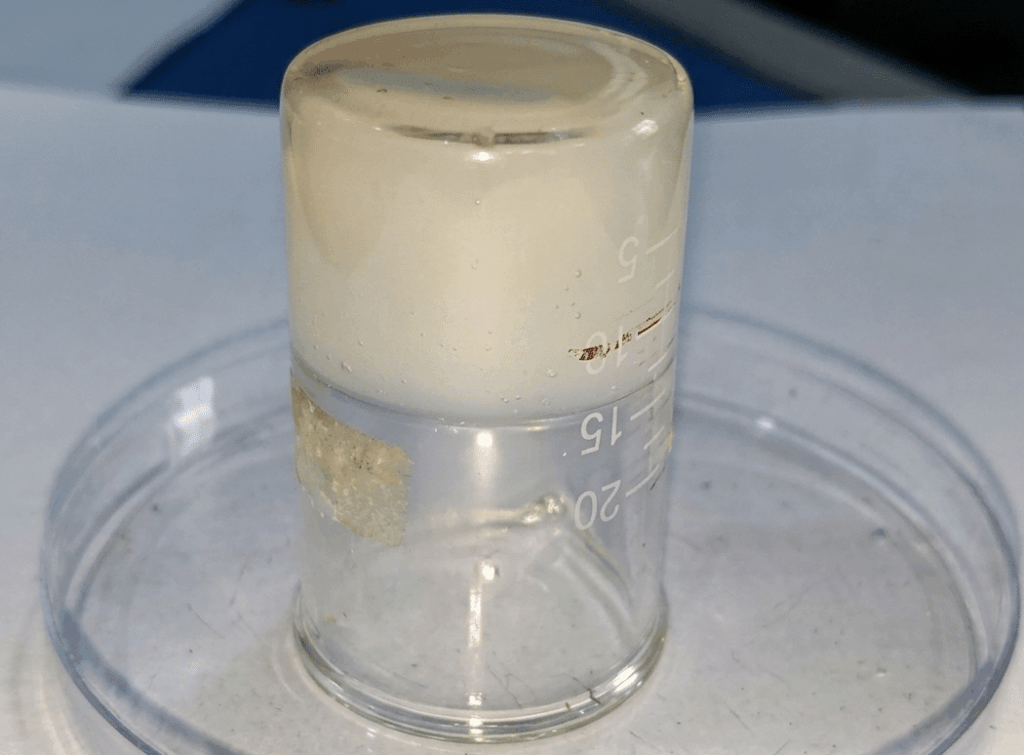
At present, most supercapacitors rely on liquid electrolytes, which come with issues like leakage, volatility, and safety risks. The newly developed hydrogel is quasi-solid, meaning it combines the benefits of both liquid and solid materials. According to the researchers, this allows a smooth ion flow while remaining stable and leak-proof.
To demonstrate practical use, the research team built a prototype supercapacitor that successfully powered a red LED.
The project majorly highlights the device’s durability where it maintained stable performance for around 46,000 charge-discharge cycles, made for long-term potential.

Technically, the system uses potassium oxalate to form a stable 3D network inside the hydrogel, enabling efficient ion movement.
Lead researcher Dipankar Hazarika, Nagaland University, said, “At present, our technology has reached Technology Readiness Level (TRL-3), meaning that experimental proof-of-concept has been successfully demonstrated under laboratory conditions. Our research has also led to the formation of a start-up initiative based on hydrogel electrolyte materials emerging from Nagaland University, highlighting its commercialisation potential.”

Professor Jagadish K Patnaik, VC of Nagaland University, said the university has developed a new chitosan-based hydrogel electrolyte for solid-state supercapacitors. He said this natural polymer-based material is safer, more durable, and performs better than traditional electrolytes.
The university is focusing on research of eco-friendly and reliable energy storage technology for sustainability.
Going ahead, the team plans to scale up production and test the technology in real-world conditions. Potential applications include electric vehicles, renewable energy systems, and wearable electronics.