



The KTM saga is perhaps one of the most intriguing stories we’ve seen unfold in the automotive world in recent times. It’s been a relentless rollercoaster, and just when we thought things were nearing normalcy, another bump appears.
KTM owner Bajaj Mobility AG recently published its preliminary sales figures for 2025, and the numbers don’t look good for KTM.
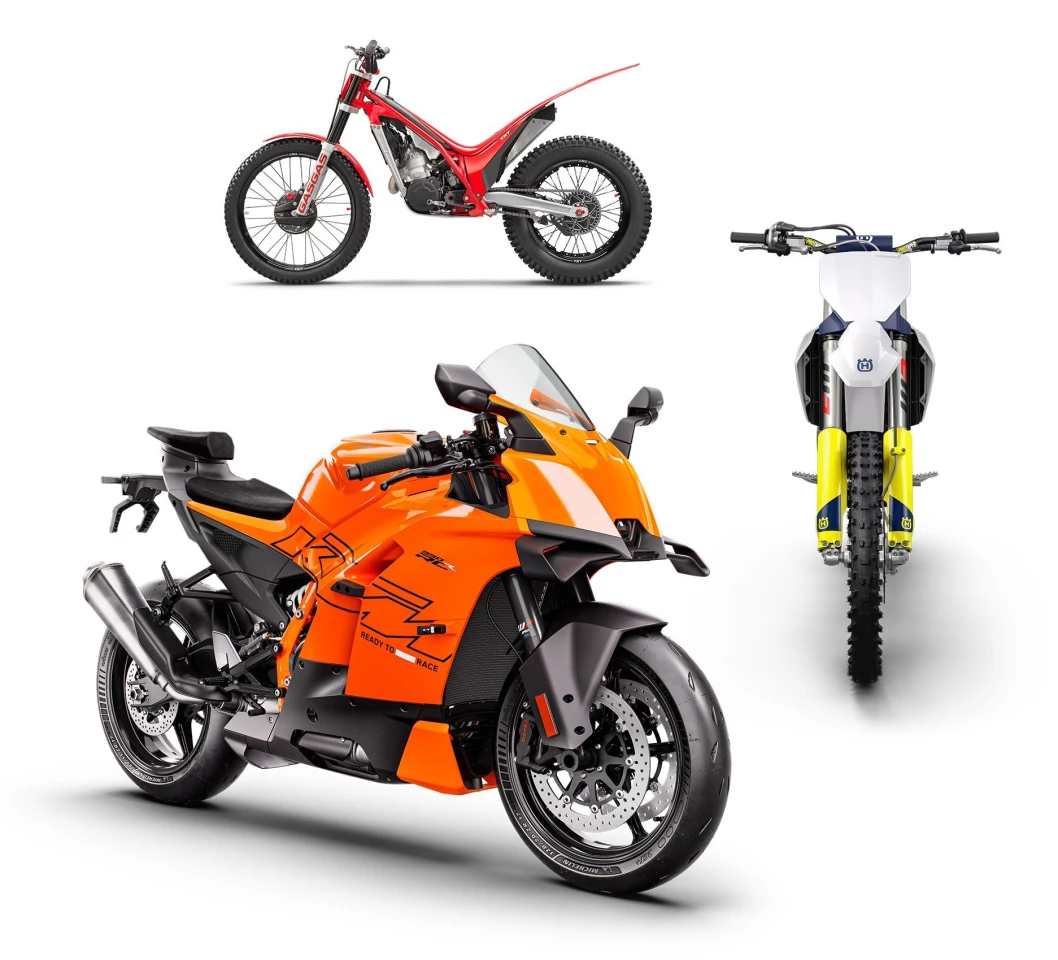
Here’s the big news: revenue was down a whopping 46%, and sales fell 28.3% compared to the previous year. Even other Bajaj Mobility AG brands Husqvarna and GASGAS weren’t spared, reporting year-over-year sales slumps of 27.2% and 19.5%, respectively.
KTM
“Bajaj Mobility AG reports on a financial year shaped by extensive structural adjustments and the implementation of key restructuring measures. Despite operational constraints in the first half of 2025, the overall annual trajectory shows a clear stabilization of the economic foundation,” reads Bajaj’s preliminary report.
I’m baffled by Bajaj’s remarks here. How do those numbers translate to stabilization? That said, it’s worth noting that these figures are preliminary and could change based on audit findings, as they haven’t yet been independently reviewed.
To truly understand the severity of KTM’s plight, let’s break down the numbers. In 2025, KTM sold a total of 209,704 motorcycles. Of these, 85,284 units were sold in the first half of the year, while 124,420 motorcycles were sold in the second half. On paper, that doesn’t look too bad, right?
Bajaj
Let’s dig deeper. A significant portion of these figures comes from Bajaj-produced motorcycles. This includes 78,906 units in the small-displacement class, covering models in the 390 series and below. If you deduct these from the total, you’re left with just 130,798 motorcycles from KTM’s core portfolio.
More importantly, it’s unclear how many of those motorcycles came from current KTM production. We do know the company ended 2024 with a bloated inventory.
KTM states that “group-wide motorcycle inventories were reduced by 101,153 units during the year – from 248,580 units at year-end 2024 to 147,427 at year-end 2025.” Does that imply older motorcycles made up a significant portion of the 130,798 units sold? Nobody knows.
As for revenue, KTM reported a mammoth 46% year-on-year decline to €1.009 billion (around US$1.09 billion) in 2025. In its report, the company attributes the slump largely to the restructuring phase in the first half of the year.

via Unsplash
It all began toward the end of 2024, when KTM halted production due to mounting financial pressure. Thousands of layoffs and fears of near-bankruptcy led the company into self-administration as it entered a restructuring process.
In the months that followed, MV Agusta was cut loose from the portfolio, structural changes were announced, and a €548 million (US$576 million) restructuring plan was approved. More recently, Bajaj Auto took control from Pierer Mobility AG as the parent company of the Austrian bike maker. A long road indeed.
For a moment, it appeared things were finally heading back toward normalcy. Production resumed, new bikes began rolling out again, launches followed, and a sense of anticipation slowly returned to the brand.
Despite KTM’s poor sales performance, the Bajaj Mobility Group’s overall 2025 financial picture was noticeably stronger. Net debt dropped from €1.643 billion (US$1.94 billion) to €798 million (US$943 million). In its home market of India, Bajaj’s domestic sales rose rose 26% year on year. That does suggest KTM is now in steadier hands.

KTM
Still, it’s a long road back. If turbulent times teach us anything, it’s that there’s no magic wand you can wave while shouting “Abracadabra” to fix everything overnight. KTM seems to understand that reality.
It will take time, effort, and a great deal of perseverance to see one of Europe’s most dominant modern-era bikemakers return to where it once stood.
Source: Bajaj Mobility